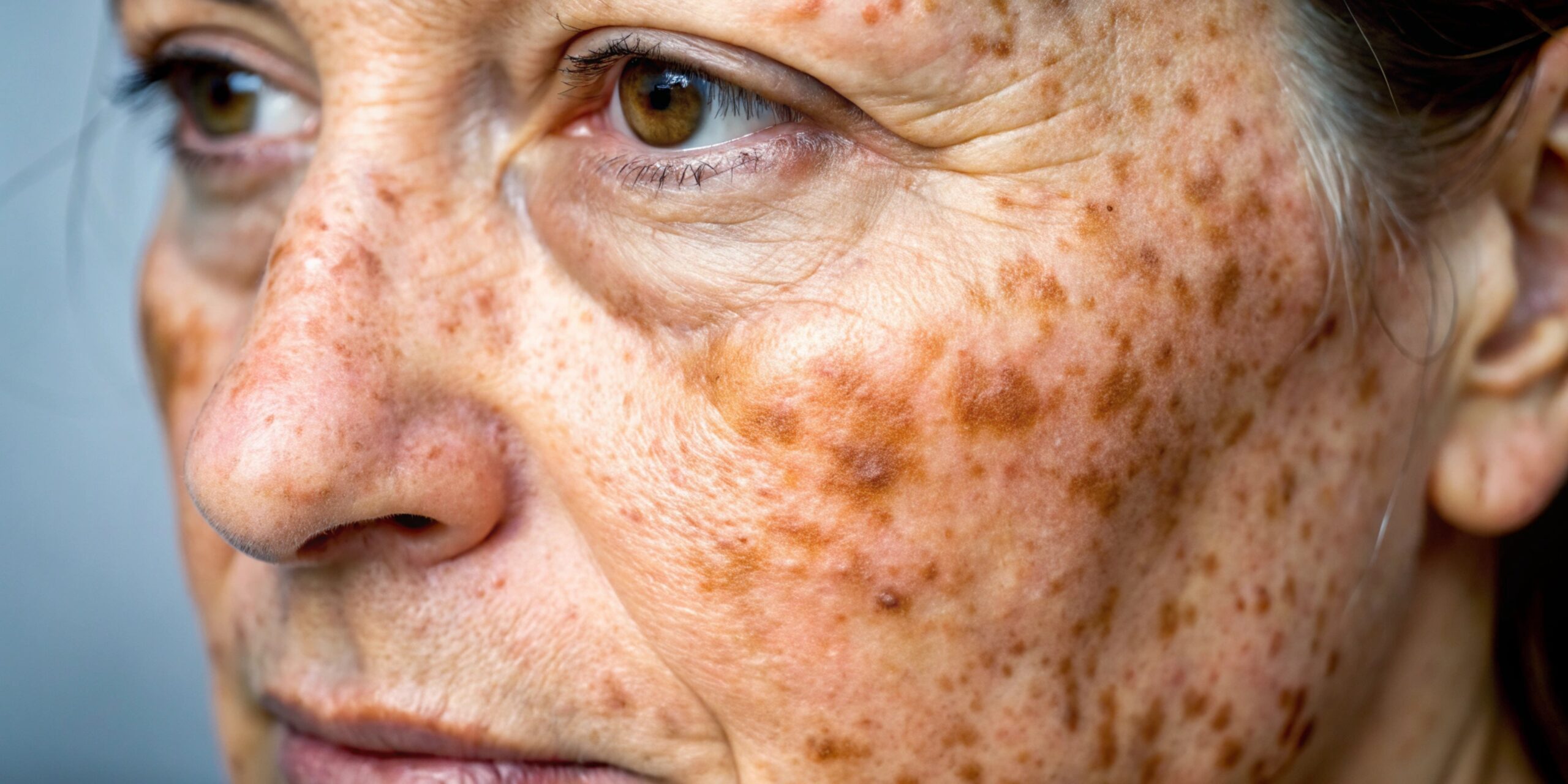
Skin Cancer Cells Testings: When And What To Expect If you're worried regarding an area of skin, we can examine it. A Mohs surgeon normally ends up being included when your normal dermatologist refers you after locating and detecting a type of skin cancer that responds well to Mohs surgical procedure. Mohs micrographic surgical treatment is a specialized, extremely efficient technique used to eliminate specific sorts of skin cancer cells while preserving as much healthy tissue as feasible. It is done by dermatologists that have progressed training in this treatment. Count on your skin to professionals that comprehend the value of every examination-- whether it's a spot check vs skin examination, we have actually got you covered. At Chang Dermatology & Skin Surgery Center in Virginia Coastline, VA, we take very early discovery seriously and tailor every exam to your particular demands.
Full Body Skin Check: Your Complete Overview To Professional Skin Cancer Screening
The most effective way to avoid skin cancer Click here for more cells is to secure your skin from the sunlight. Usage sunscreen with a sun security factor (SPF) of at least 15 when you go outside, also if it's over cast. Seek sanctuary in the shade, and do not utilize tanning beds or sunlamps.
What skin sores are mistaken for cancer?
The 3 most usual forms of skin cancer cells are basic cell cancer, squamous cell carcinoma, and melanoma. Several skin conditions might be easily misinterpreted for cancer, including pimples, age places, moles, skin tags, warts, freckles, dermatitis, psoriasis, and cherry angiomas.
So if you have a background of a slow-growing basic cell cancer or squamous cell carcinoma, you have a higher risk of establishing an additional one, or extra aggressive skin cancer, like melanoma. Our dermatologists are always readily available to discuss these choices with you. An aching that sticks around for greater than three weeks is a warning. Non-healing sores that bleed, ooze, or crust over may Skin biopsy indicate basic cell carcinoma or squamous cell cancer, two of one of the most usual non-melanoma skin cancers. The choice to eliminate a skin sore depends on numerous elements, including its kind, size, area, and whether it's benign or deadly.
When comparing a test vs skin exam, the crucial difference hinges on the scope of the examination.
You will either become a dress or remain in your undergarments while we thoroughly analyze your skin.
Non-healing lesions that hemorrhage, ooze, or crust over may indicate basal cell carcinoma or squamous cell carcinoma, two of one of the most typical non-melanoma skin cancers cells.
People with lighter complexion are more prone to sun-related lesions, yet those with darker tones aren't immune and need to also remain alert.
Bullae are big and might indicate severe reactions or infections.
Typical Biopsy Signs
Yes, an extensive full body skin check calls for assessment of all skin surfaces. You'll be offered with a medical dress and will remain properly draped throughout the evaluation. Only the certain location being examined at any moment will certainly be exposed. At Clarus Dermatology, we provide mole mapping and detailed skin tests for your satisfaction. If you're keeping track of a details area, take an image on your phone. After that, if you discover your area has actually altered, set up a visit prior to your yearly check. If we find a sore we think of skin cancer cells, we'll suggest a same-day skin biopsy. We'll numb the location, get rid of the sore, and send it to the pathologist for assessment. Kaposi's sarcoma is a cancerous skin lump lesion that is a function of up to 20% of all male help (Acquired Immune Deficiency Disorder) people. Kaposi's sarcoma generally looks like purple sores with silver scales on the feet and ankle joints that then spread up the legs to hands and arms. It is an aggressive and commonly fatal cancer and might trigger interior blood loss. A cancer malignancy is a kind of skin cancer cells that creates in the cells (melanocytes) that create the pigment that provides shade to your skin, hair and eyes. If you comply with the suggested treatment for early-stage skin cancer cells, you will probably fully recover. Keep in mind that life expectancy and lifestyle after skin cancer depends on your age, health and wellness and various other aspects. Your doctor will talk to you about what to anticipate and how to take care of on your own after treatment. Numerous physicians begin with the scalp, feeling and look for lesions, precancerous, and cancerous places. Skin cancers cells of all types can appear on the scalp-- and some harsh and scaly sores can be far better really felt than seen.