Over Active Bladder And Urinary Incontinence: What To Know
Urinary Incontinence In Women: Bladder Control And More
It advances to the point where need can not be controlled any type of longer. Ladies have special health and wellness events, such as pregnancy, childbirth, and menopause, that may affect the urinary system tract and the bordering muscle mass. The pelvic floor muscular tissues that sustain the bladder, urethra, uterus (womb), and bowels might become weak or harmed. When the muscular tissues that support the urinary system system are weak, the muscle mass in the urinary system system should work tougher to hold pee till you are ready to pee.What Are Some Medical Treatments For Anxiety Urinary Incontinence?
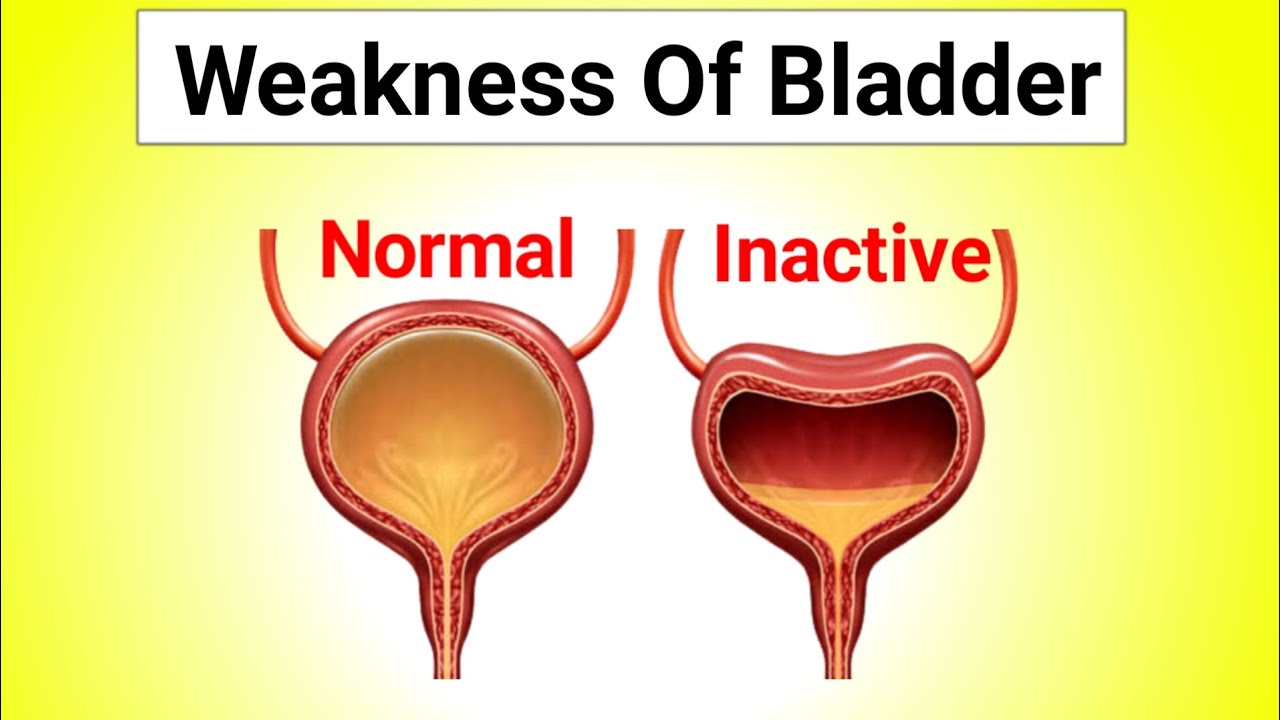
There's no demand to struggle with urinary incontinence or overactive bladder. Mercy's specialists are here to help, with treatments varying from lifestyle adjustments and easy pelvic-floor workouts to bladder training, drug and surgical procedure. We'll provide complete, compassionate treatment, so you can return to living conveniently. Urinary incontinence and urinary system tract infections are often strongly linked. While incontinence itself does not straight trigger an infection, it can raise the risk of microorganisms entering and growing within the urinary tract.
Treating Oab And Incontinence
- Issues during labor and childbirth, especially genital birth, can deteriorate pelvic flooring muscular tissues and damage the nerves that manage the bladder.
- Since signs aren't constantly reviewed freely, overactive bladder is commonly underreported and untreated.
- You might have different examinations to help identify the cause of your incontinence.
- For people with consistent overactive bladder symptoms, nonsurgical therapies can assist soothe bladder activity and decrease seriousness and urine leakage.
- This is the most common bladder control issue in younger ladies.
Your gynecologist or various other healthcare expert might initially recommend nonsurgical therapy. This might consist of way of life changes, bladder training, physical treatment, and using particular bladder support gadgets. While there are lots of therapy options for both scenarios, aggressive treatment can assist you minimize the threat of infection while minimizing UI signs and symptoms. Maintaining a bladder journal can aid you better understand and catch these changes at an early stage.
The diary might assist your physician or nurse see patterns in the incontinence that give ideas concerning the possible reason and therapies that could help you. Some ladies have bladder control issues after they stop having durations. Researchers believe having low levels of the hormonal agent estrogen after menopause might weaken the urethra.8 The urethra aids keep pee in the bladder up until you are ready to urinate. Lots of women with urinary system incontinence have both anxiety and advise incontinence. When the bladder muscles tighten, pee is forced out of your bladder through a tube called the urethra.
